- Published by
- Helena Duppre
- Date
- Category
- ux
- Reading time
- 3 min
Heads up: UX and UI design aren't the same thing — but they go hand in hand
keywords: ux, ui, career
UX and UI aren't the same role. Practical differences, where job posts blur the lines, and why both disciplines work together in product design.
I wanted to open up a real debate about something that's been keeping me up at night.
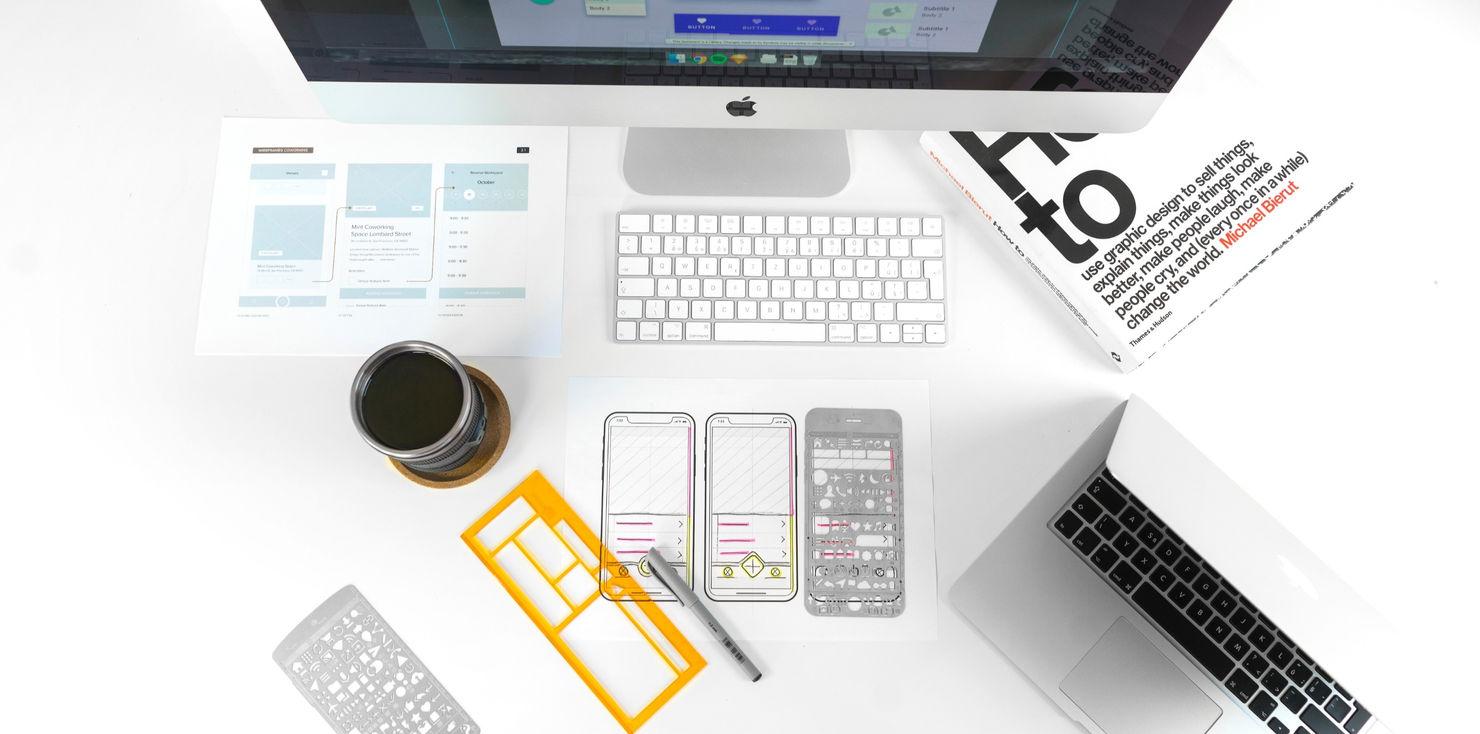
I keep ending up in conversations with designers who are fed up with being lumped together. The story is always the same: "they hired me as a UX designer, I show up, and I spend all day drawing screens and more screens…"
When I was hiring a UX designer myself, I had a hard time finding someone who positioned themselves (to my mind) as a specialist in understanding the user. I found gorgeous portfolios, an absolute feast for the eyes — but focused on interface design. The candidates called themselves UX, yet there wasn't a single detailed case study on their site.
Companies share the blame too. They insist on hiring UX designers to draw screens, wiping out the entire investigative process that's at the heart of the user experience designer's work.
In moments like that, I'd ask myself: have I lost my mind and forgotten everything about my own profession, or is there a big mix-up going on in people's heads?
UX and UI go hand in hand. Fact. So there's nothing wrong with being a hybrid professional — it's part of the game. But we can't blur what each one actually does. I see that confusion in a lot of the job postings out there. And it's a huge problem! As I said, it breeds enormous frustration for the newly hired designer, a real risk of turnover in the role, and a red flag in how projects define processes and responsibilities.
But, Helena, what's the difference between these roles within design? Easy tip: just look at each one's name.
User Interface Designer
As the name says, this designer is responsible for creating the final interface the user will touch. They're the guardian of the brand identity and the master of applying the style guide. In other words, they care about every visual aspect of the project and should have interface best practices at their fingertips. They're the go-to reference on everything tied to the product or service brand. It's essential that they bring a consistent, refined, creative visual language and a strong visual repertoire. We can add another interface skill that's been coming into its own here: microinteractions.
UI Designer responsibilities, in short:
- Apply the identity guidelines correctly and consistently across the project;
- If needed, develop and design the project's visual identity;
- Own and safeguard the application's Style Guide;
- Build components for the screens;
- Know the guidelines and best practices for building screens;
- Take part in developing wireframes and prototypes;
User Experience Designer
This one's a different animal. Focused on understanding the user and their needs, the UX designer uncovers the challenges a project has to overcome. They're responsible for forming hypotheses, investigating, prototyping, and bridging the business and its customers in an empathetic, organic way. For this role, I'd say empathy is the single most important tool of all. They gather data, let it move them, and share what they find with the team. And this is where other titles come in — UX researcher, UX writer…
UX Designer responsibilities, in short:
- Raise questions and perspectives from the user's point of view;
- Align with the business side to structure the project;
- Understand the needs and specifics of the target audience;
- Take an active part in design sprints, inceptions, and everything in between;
- May create wireframes and prototypes for testing;
- Run research to validate hypotheses with users;
Wait — doesn't the visual directly shape the user experience?
Yes, dear reader. You're right. That's exactly why I brought up hybrid professionals earlier. The one writing to you is a living specimen of the breed. The trouble is that when we blur the titles, we risk teaching people outside our field the wrong idea about what we actually do. Then the UX designer turns into a screen-making machine and tramples the process UI needs to build something consistent.
The ideal setup works like a creative duo: UX and UI, together from the very start of a project, but each with their head and focus on their own specialty. Give an interface designer the right inputs, and they'll create more interesting, sharper, more accessible visual experiences — and that only happens with strong work from the UX designer.
And with this article I'll leave a valuable tip for anyone hunting for a UX role: put complete case studies in your portfolio. Explain the methods you used, how you structured the project, ran the research, and led the workshops. Show that you did your part and were in direct contact with users. It's great for a UX designer to also be an excellent interface designer — but they can't be only that.
Read next
Synthetic users get the average right and lose the difference between people
A client wrote that he only used the app to check his balance, because it didn't feel safe enough to move money. That one sentence changed the priority of an entire project, and the app's store rating went from 3.5 to 4.7. A conversation about what synthetic users give you, what they have no way of giving you, and the test I use to decide where they belong.
9 min read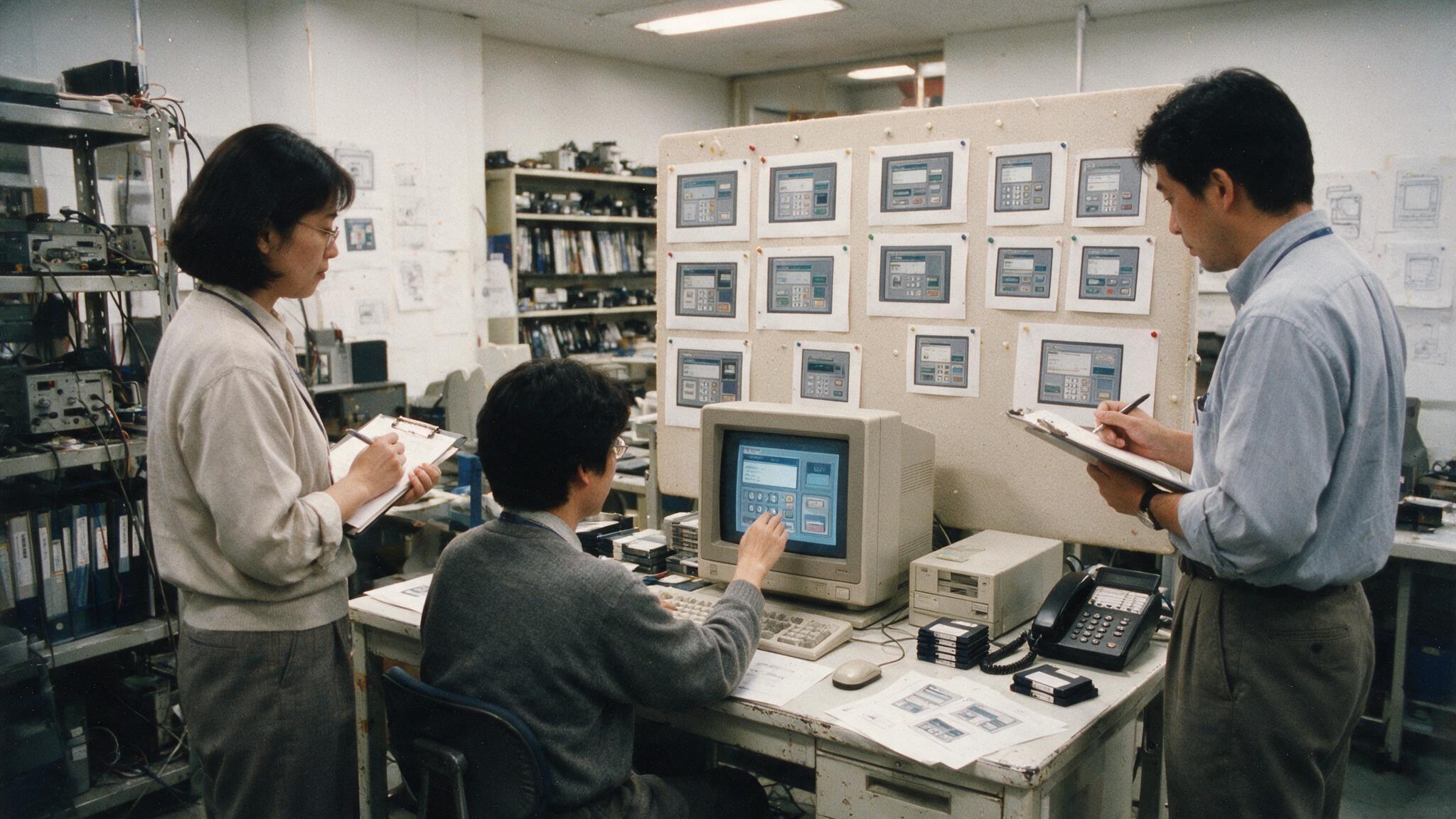
Too pretty to test: the aesthetic-usability effect
A beautiful interface makes users like your product more. It also makes them give you a high ease-of-use score on a test where they just struggled through the task right in front of you. The aesthetic-usability effect is the most polite trap in user research.
6 min read
Why you love one app and hate another (even when they do the same thing)
I'm paying off the promise from my last post: emotional design. Don Norman's three levels explain why we decide we like a product long before we understand it.
4 min read
loading comments...