Blog
Thinking out loud about the craft
Product design, UX, design systems, accessibility, career, and process — no magic formula.
Featured
In a Pew study of 900 people, when Google showed an AI summary, clicks on a search result fell from 15% to 8%. Clicking a link inside the summary happened on 1% of visits. Whoever reads your site first is now a machine, it doesn't run your JavaScript, and what it understands is a design decision.
digital design · 19 Aug 2026 · 9 min read
2026
- Synthetic users get the average right and lose the difference between peopleux
- Leading people in the age of agents: what AI speeds up and what it hidesreflections
- 65% of internet users in Brazil only go online through their phones. Is your website ready for them?interface & usability
- Too pretty to test: the aesthetic-usability effectux
- Why you love one app and hate another (even when they do the same thing)ux
- What is design? I came back to rewrite my own answerreflections
- From /imagine to a team of agentsreflections
2020
2019
2018
- Scroll or not scroll? That is the question.interface & usability
blog
Thinking out loud
about the craft
Product design, UX, design systems, accessibility, career, and process — no magic formula.

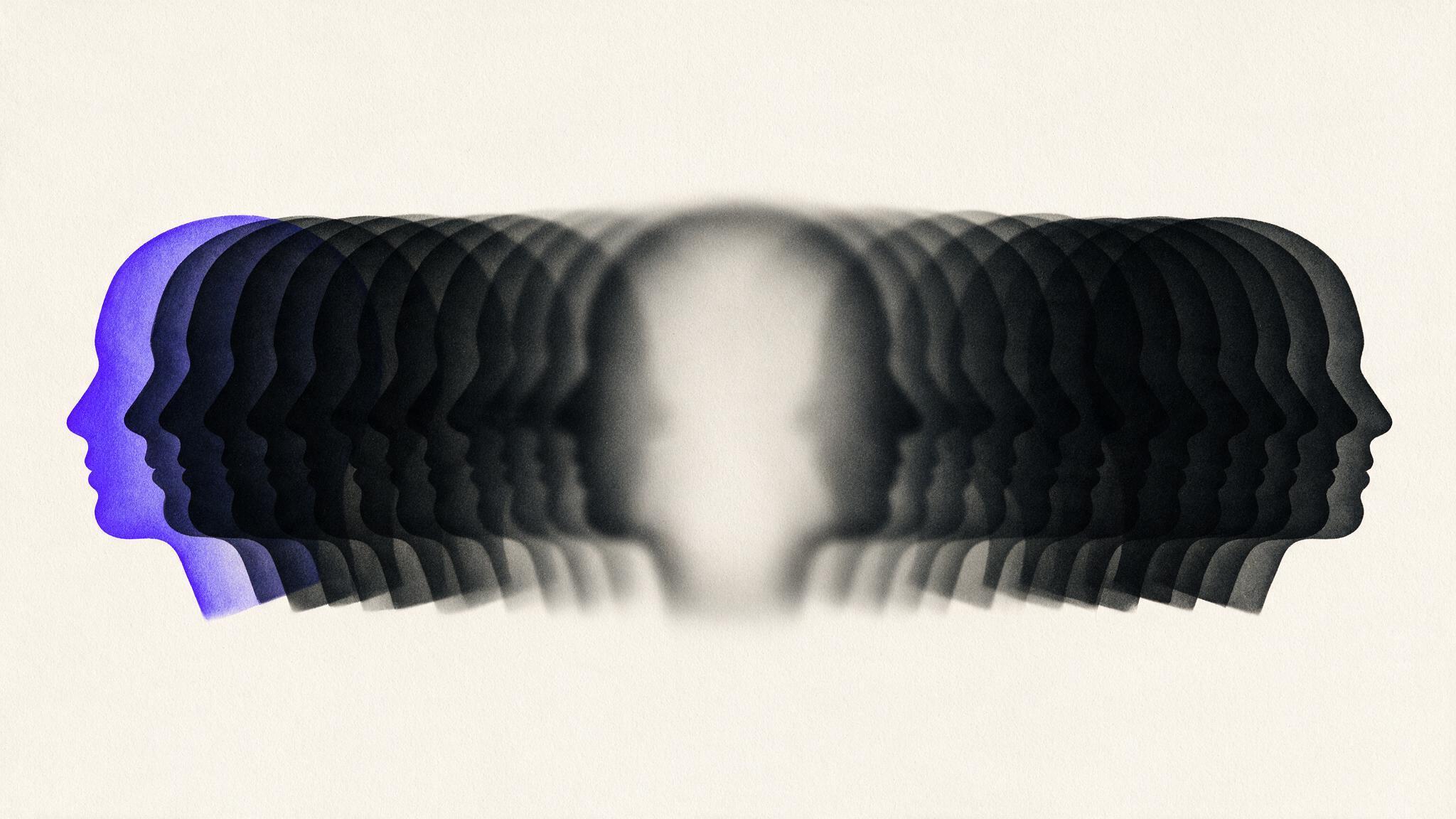
Synthetic users get the average right and lose the difference between people
A client wrote that he only used the app to check his balance, because it didn't feel safe enough to move money. That one sentence changed the priority of an entire project, and the app's store rating went from 3.5 to 4.7. A conversation about what synthetic users give you, what they have no way of giving you, and the test I use to decide where they belong.
9 min read
Leading people in the age of agents: what AI speeds up and what it hides
If one person with AI delivers what two used to deliver, has half the team become a cost? In the very experiment that arms that math, top-decile solutions were almost three times more likely to come from a pair with AI than from someone working alone without it. The math buys the average and sells the top — and it still leaves out the step where juniors used to learn.
12 min read
65% of internet users in Brazil only go online through their phones. Is your website ready for them?
Most people who go online in Brazil do it exclusively through their phones, and many buy data in small packages that expire in days. When we build websites fast with AI and only check them on desktop, that majority is exactly who gets left out. A conversation about responsiveness, page weight, and the real Brazilian internet.
4 min read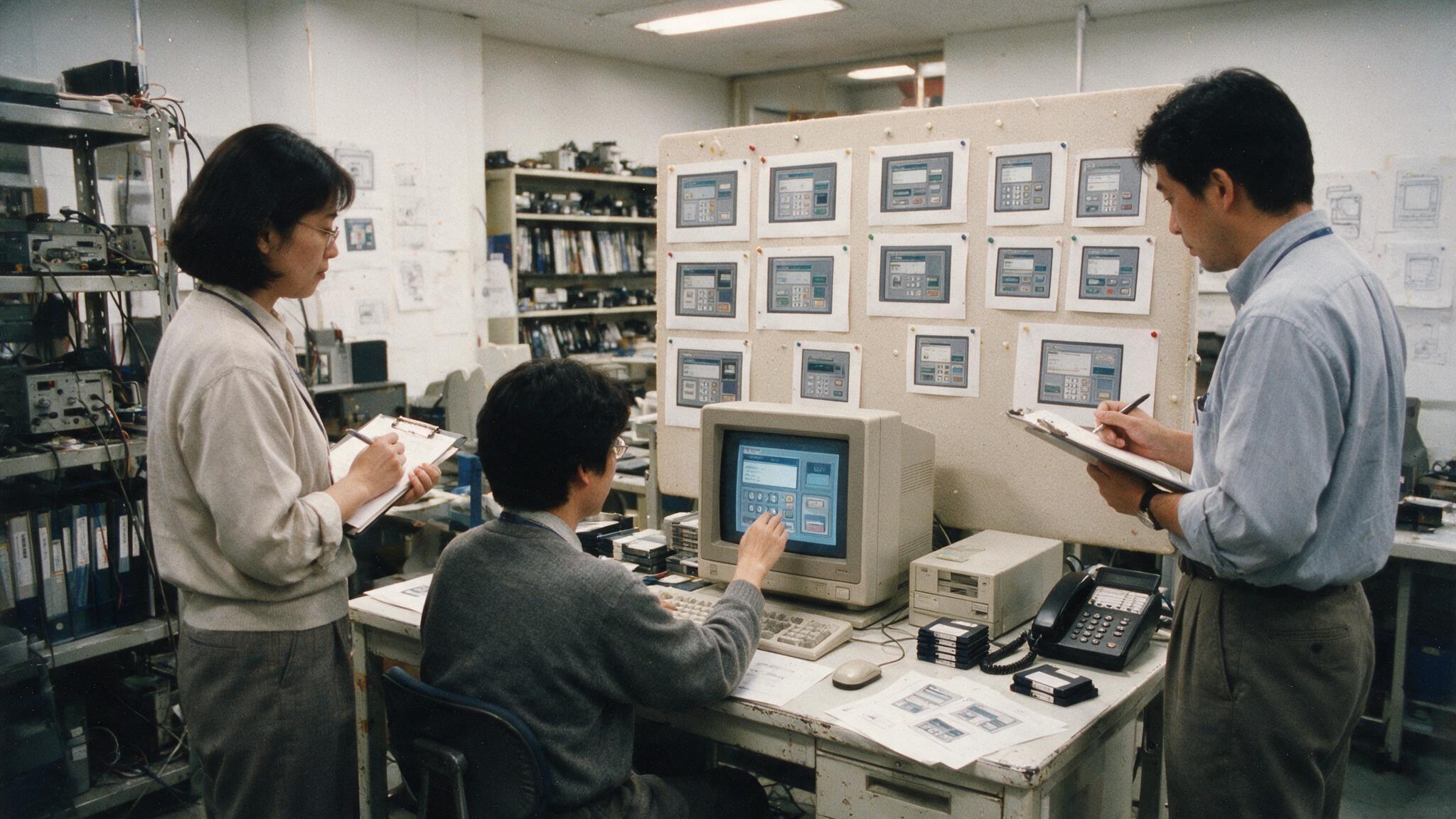
Too pretty to test: the aesthetic-usability effect
A beautiful interface makes users like your product more. It also makes them give you a high ease-of-use score on a test where they just struggled through the task right in front of you. The aesthetic-usability effect is the most polite trap in user research.
6 min read
Why you love one app and hate another (even when they do the same thing)
I'm paying off the promise from my last post: emotional design. Don Norman's three levels explain why we decide we like a product long before we understand it.
July 09, 2026 · 4 min read
keywords: emotional design, ux, digital product
What is design? I came back to rewrite my own answer
I came back to rewrite my 2019 text. What changed? Empathy got more urgent in the age of AI, and data more important than ever.
July 05, 2026 · 3 min read
keywords: design, reflection

From /imagine to a team of agents
From Midjourney to Claude: my journey with AI applied to product design, from asking a Discord bot for images to directing teams of agents today.
July 02, 2026 · 5 min read
keywords: applied ai, product design, process, career
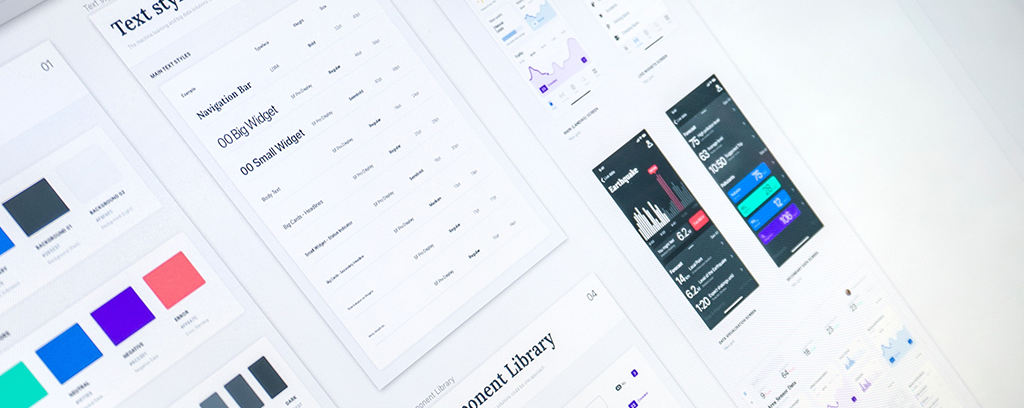
Here comes the tension: design system vs. guideline — similar, but not the same thing
Design systems and guidelines look alike but aren't the same. History, real differences, and why mixing them up hurts product consistency.
October 25, 2020 · 3 min read
keywords: design systems, process
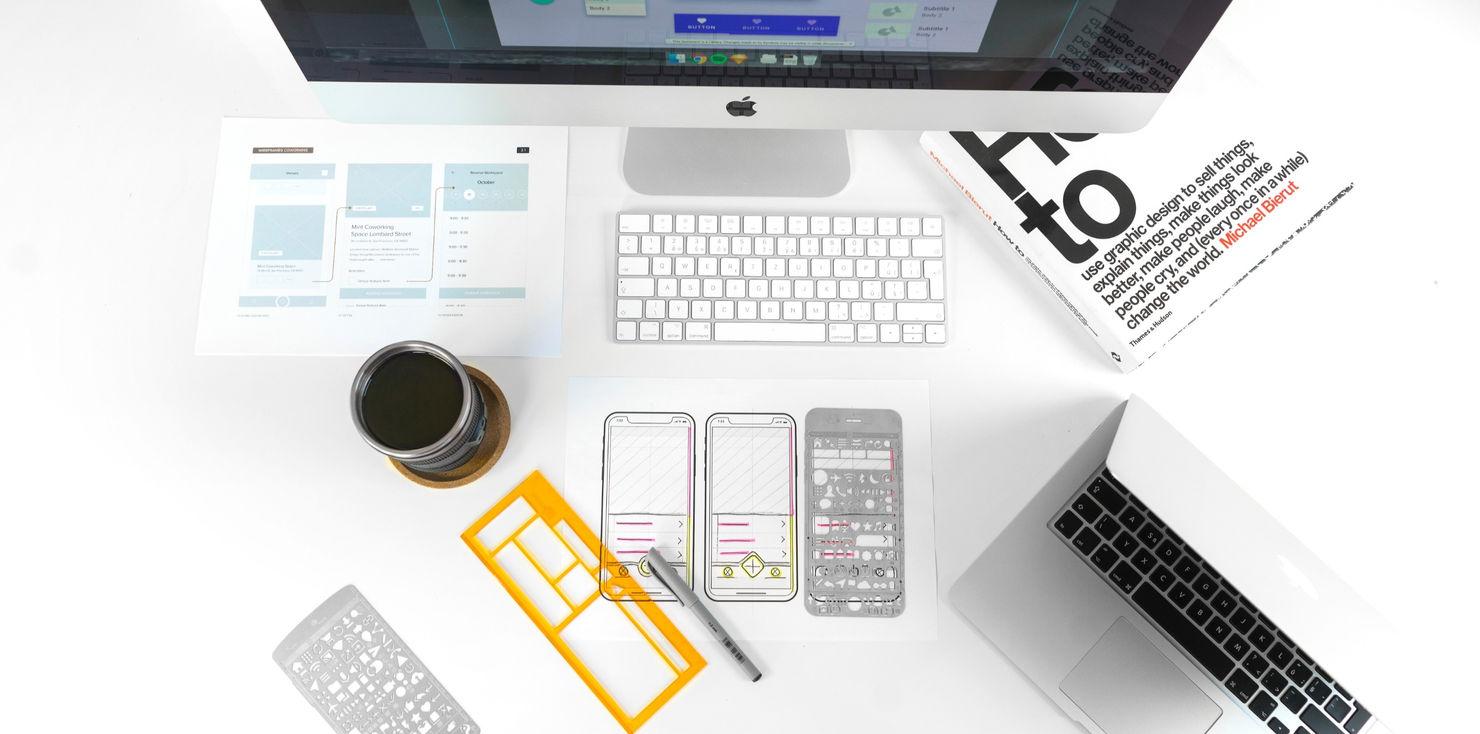
Heads up: UX and UI design aren't the same thing — but they go hand in hand
UX and UI aren't the same role. Practical differences, where job posts blur the lines, and why both disciplines work together in product design.
December 24, 2019 · 3 min read
keywords: ux, ui, career

Empathy, universality, and design — the ideas that lead us to inclusion
Exclusionary, integrative, and inclusive paradigms in digital design. Empathy, accessibility, and difference as advantage — not as a bolt-on fix.
March 21, 2019 · 4 min read
keywords: accessibility, design, inclusion

Universal Design applied to the digital world — does it make sense?
The seven Universal Design principles translated for digital: equity, flexibility, and usability applied to apps, sites, and products.
January 09, 2019 · 4 min read
keywords: accessibility, design, ux
Scroll or not scroll? That is the question.
Infinite scroll or pagination? UX criteria for when each pattern works — engagement, content discovery, and usability in apps and websites.
June 18, 2018 · 2 min read
keywords: ux, scroll, interface patterns